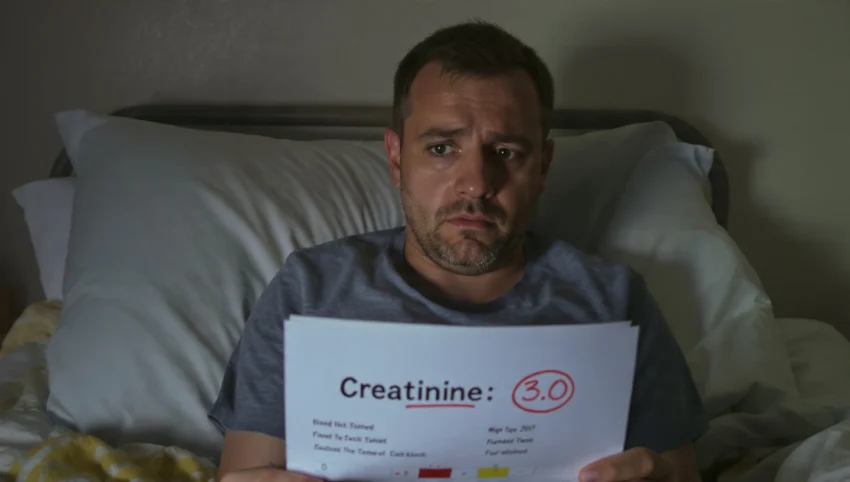
Creatinine Level 3.0: When someone sees “Creatinine: 3.0 mg/dL” on a lab report, almost everyone reacts the same way. They stop breathing for a second. They Google, Someone nearby says the word dialysis. And suddenly, that one number feels like a life sentence. What makes it worse is this line many doctors say:
“It’s high. We’ll need more tests.”
And that’s it. No clear answer. No reassurance. No explanation.
So let’s talk about what this number actually means without drama and without false hope.
First Things First: Creatinine Is Not a Disease
Creatinine is just a waste product. Your muscles make it every day. Your kidneys are supposed to throw it out in urine.
When kidneys slow down, creatinine stays in the blood. That’s all.
So a high creatinine means kidneys are struggling not that they have stopped.
Is Creatinine Level 3.0 High? Yes. Is It the End? No.
For most adults:
-
Normal creatinine is around 0.6–1.2 mg/dL
So yes, 3.0 is high. No sugarcoating that.
But here’s what people don’t realize:
The same creatinine value can mean very different things in different people.
This is why doctors hesitate to give a straight answer immediately.
The One Question That Changes Everything
When creatinine level is 3.0, the most important question is:
Did it rise suddenly or slowly?
If it rose suddenly (days to weeks)
This is often called acute kidney injury.
Common causes:
-
Severe dehydration
-
Vomiting or diarrhea
-
Infection
-
Low blood pressure
-
Painkillers or certain antibiotics
In OPD, many such patients improve once the cause is treated.
Creatinine can come down sometimes significantly.
If it rose slowly (months to years)
This usually means chronic kidney disease (CKD).
Common causes:
-
Long-standing diabetes
-
High blood pressure
-
Previous kidney damage
In these cases, creatinine may not return to normal.
The focus shifts to preventing further damage, not miracles.
Why Doctors Don’t Say “Kidney Failure” on Day One
Patients often feel doctors are hiding something.
Most of the time, they aren’t.
One creatinine report can be misleading because:
-
You might be dehydrated
-
The test might fluctuate
-
Old reports matter more than one new value
That’s why doctors say:
“Let’s repeat it.”
“Let’s see the trend.”
It sounds vague but medically, it’s the safer approach.
Do You Always Feel Symptoms at Creatinine 3.0?
Honestly? Not always.
Many people feel almost normal.
Some may notice:
-
Tiredness
-
Mild swelling in feet or face
-
Poor appetite
-
Nausea
-
Less urine than usual
The dangerous part is this:
No symptoms does not mean no damage.
Kidneys can silently worsen for years.
Tests Usually Done After Creatinine level 3.0
If your report shows 3.0, doctors usually want:
-
eGFR (to estimate actual kidney function)
-
Urine test (especially protein)
-
Ultrasound of kidneys
-
Blood urea and electrolytes
-
Old reports, if available
These tests answer one key thing: Is this temporary or permanent?
Can Creatinine 3.0 Be Reduced?
This is where people want a yes-or-no answer.
The honest answer is: sometimes.
It may improve if:
-
The cause is dehydration
-
A drug caused the damage
-
Infection is treated early
-
Obstruction is relieved
It usually does NOT normalize if:
-
Kidney damage is long-standing
-
Diabetes or BP has been uncontrolled for years
In such cases, the goal is slowing progression not chasing normal numbers.
The Biggest Mistake People Make at This Stage
Starting random treatments.
-
Herbal medicines
-
“Kidney detox” drinks
-
High-dose supplements
-
Advice from WhatsApp or YouTube
Ironically, many of these damage kidneys further.
If creatinine is 3.0, this is not the time for experiments.
Does Creatinine 3.0 Mean Dialysis?
No… Not automatically.
Dialysis depends on:
-
Symptoms
-
eGFR
-
Fluid overload
-
Potassium levels
-
Overall condition
Plenty of patients live years without dialysis at this level with proper care.
When Should You Be Seriously Concerned?
Get urgent medical help if creatinine level 3.0 comes with:
-
Rapid increase in value
-
Very low urine output
-
Severe swelling
-
Breathlessness
-
Confusion or drowsiness
These are red flags not the number alone.
What You Should Remember
Creatinine level 3.0 is serious, but it is not a verdict.
What matters more than the number:
-
Why it is high
-
How fast it changed
-
Whether the cause is reversible
Early, sensible treatment can protect remaining kidney function.
Panic and random treatment usually do the opposite.
Medical Disclaimer: This content is for educational purposes only and does not replace medical consultation. Always consult a qualified healthcare professional for diagnosis and treatment.

Hello, I am Dr. Ashish. I have lot of experience in medical field and education, I have gained lot of knowledge in my entrance exam life and medical studies which I want to share with everyone so that I can help more and more people.