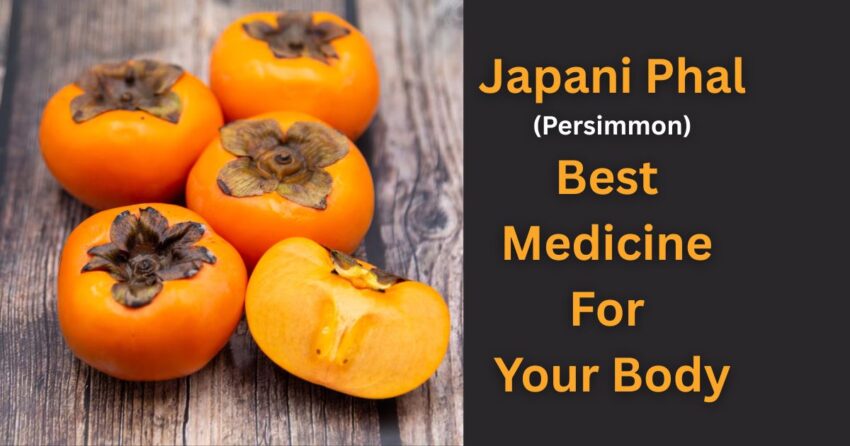
Persimmon (Japani Phal/Ramphal) is a soft, fibre-rich fruit from the Ebenaceae family that is quickly gaining global attention for its exceptional nutritional profile and impressive health benefits. Once considered a niche fruit, persimmon is now being came out as a natural powerhouse of antioxidants, vitamins, and bioactive compounds that support overall wellness.
While the fruit has been traditionally enjoyed in countries such as China, Japan, Korea, Brazil, Turkey, and Italy, it is also grown widely in India. In regions like Himachal Pradesh, Jammu & Kashmir, Uttarakhand, and Tamil Nadu, it is commonly known as Japani Phal.
For a long time, persimmon remained underappreciated in many parts of the world, particularly across Europe. But as awareness around functional foods, natural antioxidants, and plant-based nutrition rises, persimmon is finally getting the attention it deserves. Many traditional Asian healing systems have valued this fruit for centuries, and modern science is now confirming much of this ancient wisdom.
Nutritional Powerhouse in a Seasonal Fruit
The most popular commercial variety of persimmon, Diospyros kaki, is mainly available between October and December. Despite its limited seasonal availability, the fruit is densely packed with important nutrients.
Persimmons contain:
- Natural carbohydrates
- High dietary fibre
- Essential vitamins and minerals
- Phenolic compounds like ferulic acid, gallic acid, and p-coumaric acid
- Carotenoids such as beta-cryptoxanthin, lycopene, beta-carotene, lutein, and zeaxanthin
The peel is often more nutrient-rich than the pulp, containing higher amounts of minerals such as potassium, calcium, magnesium, iron, zinc, copper, and manganese. The fruit is also an excellent source of vitamin C, tannins, and polyphenols, which contribute to its strong antioxidant action.
Different varieties like Fuyu, Chocolate, Japones, and Japanese persimmons typically provide around 17–19 grams of carbohydrates per 100 grams of fresh fruit. When processed into pulp or puree, the sugar content becomes more concentrated, with glucose and fructose forming the majority of the natural sugars.
Although persimmons are not a protein-rich fruit, protein content can vary by cultivar, usually falling between 0.6 to 6 grams per 100 grams.
Natural organic acids such as malic, citric, and succinic acids give persimmons their unique taste. The balance of sweetness and mild acidity creates the rich flavour of ripe fruits, while certain varieties maintain a characteristic astringency.
Why Is Persimmon Suddenly So Popular?
The growing global interest in superfoods and natural healing has pushed persimmon into the spotlight. Its rich phytochemical profile makes it a valuable addition to modern diets focused on disease prevention and long-term wellness.
Beyond fresh consumption, persimmon is now being used in innovative food products such as:
- Persimmon pulp and purees
- Ready-to-drink beverages
- Ice creams and frozen desserts
- Jams and spreads
- Fermented drinks like persimmon wine
These products help extend shelf life while maintaining most of the fruit’s valuable nutrients. In India and many other countries, nutritional researchers now see persimmon as an underused crop with enormous commercial and health potential.
Health Benefits of Persimmon
Supports Heart Health
Persimmon is packed with fibre, antioxidants, and tannins that help lower bad (LDL) cholesterol, improve blood lipid balance, and support healthy blood vessels.
Powerful Antioxidant and Anti-Inflammatory Action
Its flavonoids, polyphenols, and carotenoids help neutralize harmful free radicals and reduce chronic inflammation linked to heart disease and neurodegenerative conditions.
Improves Digestion
The high fibre content supports healthy digestion, promotes regular bowel movements, and helps stablizes blood sugar and cholesterol levels.
Promotes Eye and Skin Health
Beta-carotene, vitamin A, lutein, and zeaxanthin protect vision and slow age-related eye damage, while antioxidants help keep skin youthful and protected.
Supports Metabolic Balance
Compounds found in persimmon may help regulate blood glucose levels and reduce risk factors associated with obesity, insulin resistance, and metabolic syndrome.
Potential Protective Role Against Cancer and Brain Decline
Early research suggests that the antioxidant-rich nature of persimmon may help lower the risk of certain cancers and protect cognitive function, although more human studies are still needed.

Hello, I am Dr. Ashish. I have lot of experience in medical field and education, I have gained lot of knowledge in my entrance exam life and medical studies which I want to share with everyone so that I can help more and more people.