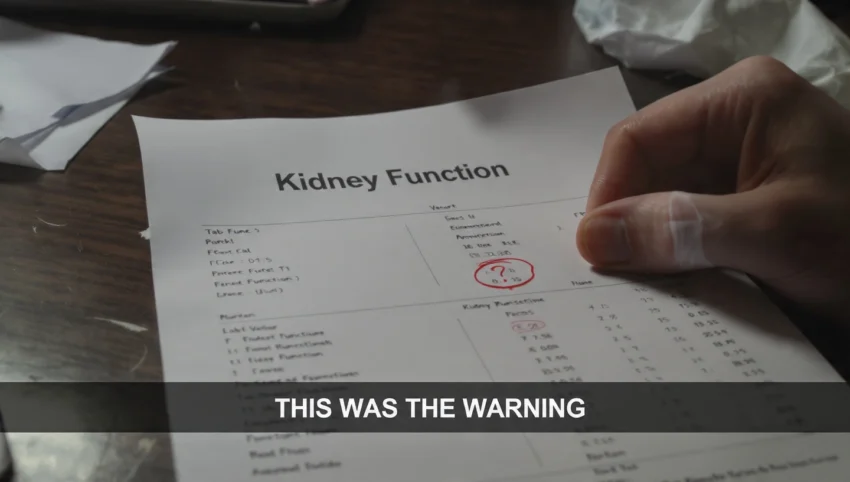
Kidney failure rarely comes without warning. It usually creeps in slowly, quietly, while life looks normal from the outside. Most patients don’t collapse suddenly. They walk into clinics months or years later and say the same thing:
“I had small issues earlier, but I never thought it could be my kidneys.”
That’s the problem. The signs are there just not dramatic enough to scare people early.
Kidney Failure: Peoples Ignorance Causes More
One of the earliest changes many people notice is mild swelling, usually in the morning. Puffy eyes. Shoes that feel tight when you wake up. By evening, it’s gone so it gets ignored.
People blame salt, sleep, weather, anything except kidneys. But this is often the body’s first hint that fluid balance is starting to slip.
It’s not severe at this stage. That’s exactly why it’s missed.
Another common complaint is persistent fatigue. Not the kind that improves after rest, but the kind that lingers.
Patients say they feel drained even on normal days. Small tasks feel heavier than before. Motivation drops.
Most assume it’s age, work stress, or poor sleep. What they don’t realize is that early kidney damage can reduce red blood cell production, slowly causing anemia. The body feels tired long before reports look alarming.
Urine changes are another quiet clue. Not pain. Not burning. Just small differences.
Some people notice foam that wasn’t there before. Others start waking up more often at night to urinate. A few feel the color looks slightly darker than usual. Because there’s no pain, no urgency, it doesn’t feel serious. But protein leaking into urine is one of the earliest biochemical signs of kidney damage.
Then there’s appetite. Or rather, the lack of it. People lose interest in food. They feel nauseated without knowing why. Some describe a strange metallic taste that ruins meals. They treat it as a stomach issue. Antacids help temporarily.
Meanwhile, waste products continue to build up quietly in the blood.
Mental clarity can also change. Not suddenly just enough to feel “off”. Difficulty concentrating. Feeling mentally slow. Forgetting small things. Many blame stress or screen time.
In reality, kidneys help regulate electrolytes that directly affect brain function. When that balance starts drifting, the brain notices before lab reports scream.
What makes all of this dangerous is how normal it feels.
No pain.
No emergency.
No dramatic moment that forces action.
Kidney disease becomes serious not because warnings don’t exist but because they are easy to live with. Certain people need to be especially careful. Those with diabetes, high blood pressure, frequent painkiller use, or a family history of kidney disease don’t get the luxury of ignoring “small” symptoms. For them, small changes deserve attention.
A simple blood test and urine test can catch kidney damage early. Early enough to slow it down. Early enough to protect what’s still working.
Waiting usually removes options.
Final words…
Kidney failure is rarely sudden. The body usually whispers before it screams. Most people just don’t recognize the whisper.
Medical Disclaimer: This content is for educational purposes only and does not replace professional medical advice. Consult a qualified healthcare provider for diagnosis and treatment.

Hello, I am Dr. Ashish. I have lot of experience in medical field and education, I have gained lot of knowledge in my entrance exam life and medical studies which I want to share with everyone so that I can help more and more people.